The Difference Between Replacement and New Gutter Installation


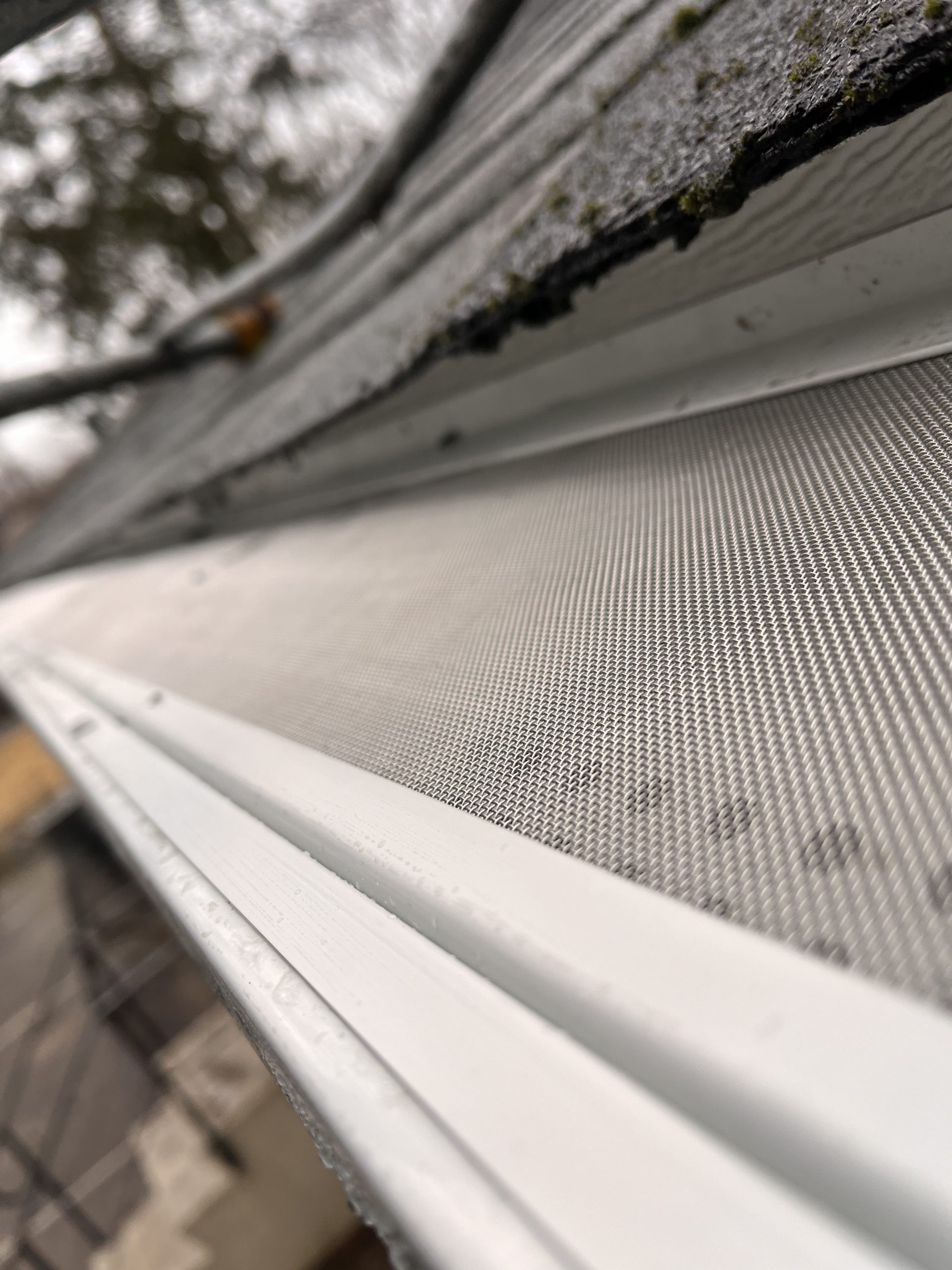
Gutters tend to be overlooked until water starts showing up where it should not. A damp basement wall, mulch washed into the driveway, paint peeling near the fascia, a trench carved beside the foundation, these are the moments when homeowners suddenly pay attention to the roofline. At that point, one of the first questions usually sounds simple: do you need gutter replacement, or are you dealing with a new gutter installation?
The two are related, but they are not the same job. They differ in scope, labor, planning, materials, cost, and the kind of decisions that matter most. If you understand that difference before work begins, you are far more likely to get a system that actually manages water well instead of one that merely looks clean on the day it goes up.
Why the distinction matters
People often use the term Gutter Installation to describe any project involving gutters. Contractors hear that phrase all the time, and in casual conversation it works well enough. But from a construction and budgeting standpoint, replacement and new installation are two different categories.
A replacement job means a home or structure already has gutters, and those existing components are being removed and swapped for new ones. The path for the system already exists in some form. There may be old hangers, previous downspout locations, fascia repairs, and runoff patterns established over many years. The installer is not starting from zero. They are correcting, https://anotepad.com/notes/qxi6hier upgrading, or rebuilding what is already there.
A new installation means the structure does not currently have gutters, or it never had a complete working system in the areas being addressed. That changes the process. Downspout routes need to be planned from scratch. Drainage discharge points need to be chosen carefully. Fascia and soffit conditions may have to be evaluated more closely. Roof valleys and collection points need fresh calculations, not just a copy of an old layout.
The reason this matters is practical. A replacement often reveals hidden damage and inherited mistakes. A new installation demands more design judgment because there is no old blueprint to follow, even if that blueprint was flawed.
What a gutter replacement really involves
When homeowners hear “replacement,” they sometimes picture a quick remove-and-install process. Occasionally it is that straightforward, but not often. A true gutter replacement starts with demolition, and demolition has a way of exposing things.
Old spikes may have loosened the fascia board. Water may have been slipping behind the gutter for years because of bad apron flashing. The previous downspouts may have discharged too close to the foundation, leading to settled soil and recurring splashback. In older homes, the existing gutter size may also be undersized for the roof area, especially if additions were built later and tied into the original roof drainage pattern.
On a replacement project, the crew usually spends part of the day undoing old decisions. They remove worn troughs, detached hangers, failing end caps, and often several layers of sealant from past patch jobs. If the previous system sagged, overflowed, or leaked at seams, the installer needs to determine whether the problem came from age, poor slope, insufficient outlet capacity, clogged downspouts, roof geometry, or wood rot behind the metal.
That is why a gutter replacement is not just about installing fresh material. It is about resetting the water management strategy with the benefit of hindsight.
What makes a new gutter installation different
A new gutter installation has a different kind of complexity. There is no old system to remove, but there is also no field history to rely on. The contractor has to decide where the water should go before a single bracket is fastened.
This starts with roofline assessment. A simple one-story ranch with broad eaves and gentle slopes presents a much easier layout than a steep two-story home with multiple valleys, dormers, and intersecting roof planes. On homes with complicated geometry, one valley can dump a surprising amount of water into a short run of gutter. If that section is too small or the downspout is poorly placed, overflow can happen even with brand-new materials.
New installations often involve more planning around discharge. Water should not simply be sent wherever it is easiest for the crew. It needs to be directed away from walkways, patios, neighboring structures, air conditioning equipment, window wells, and foundation corners. Sometimes the cleanest visual route for a downspout is not the best drainage route. A good installer balances appearance with performance.
On newer builds, there is also the question of coordination. Siding, trim, roofing, fascia wrap, soffit ventilation, and landscaping can all affect how the gutter system should be mounted and where downspouts can terminate. It is easier to install gutters when those details are still accessible. It is harder when finished surfaces are already in place and the installer has to work around them.
The clearest practical differences
The distinction becomes easier to see when you compare the two side by side:
- Replacement removes an existing system first, while new installation starts with a bare roof edge or an incomplete drainage setup.
- Replacement often exposes hidden wood rot, flashing problems, and old mounting damage, while new installation leans more heavily on design and layout decisions.
- Replacement may keep some established downspout routes if they worked well, while new installation requires fresh planning for every discharge point.
- Replacement budgets can shift once the old system comes off, while new installation costs are usually more predictable if the fascia and roof edge are sound.
- Replacement corrects past failures, while new installation builds a water management system from scratch.
Those differences influence both scheduling and price. A homeowner comparing estimates should keep that in mind, especially if one contractor gives a very low number without discussing fascia condition, drainage routing, or roof runoff volume.
Cost is not just about linear feet
Many people begin with a simple question: what is the price per foot? That number matters, but it can be misleading on its own.
For replacement, labor includes removal and disposal of old material. If existing gutters are attached with long spikes driven through old wood, extraction can be slow. If there are multiple repairs from earlier years, the crew may spend time pulling sealants, patch plates, and makeshift straps. Then comes inspection. If fascia boards are soft or split, they may need repair or replacement before the new gutters can be installed securely. That extra carpentry changes the price.
For new installation, the labor may be cleaner, but design time often increases. A contractor might need to install extra downspouts, oversized gutters, or larger outlets if the roof collects a lot of water in concentrated areas. Homes with long gutter runs may also require careful slope planning so the system drains effectively without looking visibly out of level from the ground.
Material choice changes the budget in either case. Aluminum is common because it balances cost, weight, and corrosion resistance. Steel is stronger, but heavier and more vulnerable to rust if coatings fail. Copper lasts a long time and develops a distinctive patina, but the price is significantly higher. Seamless systems generally perform better than sectional systems because they have fewer leak points, but they require specialized fabrication on site.
A low estimate can still turn into an expensive mistake if the installer sizes the system poorly or skips repairs to the substrate. Water management is unforgiving. What looks like savings in the proposal can show up later as fascia rot, landscape erosion, or foundation moisture.
Replacement often uncovers the real problem
One of the most common surprises on replacement jobs is that the gutters themselves were not the only issue. They may have been the visible symptom, not the root cause.
Take a house where the front gutter constantly overflowed near the entry. The homeowner assumed the trough was too old and simply wanted a fresh one installed. Once the old section came down, the underlying story became clear. The roof had a short but steep valley feeding into a single undersized outlet, and the apron flashing let water run behind the gutter during heavy rain. The gutter was not just worn out. It had been set up to fail.
That is where experience matters. A good replacement contractor does not just duplicate the old layout because it is familiar. They ask whether the previous system actually worked. If not, replacement should include correction, not imitation.
Sometimes that means changing from a 5-inch to a 6-inch gutter. Sometimes it means adding another downspout. Sometimes it means relocating discharge farther from the house. In colder climates, it may involve addressing ice-prone sections where snowmelt refreezes at the eaves. In heavily wooded areas, it may mean discussing guards, larger outlets, or easier cleanout access.
New installation demands more foresight
With new construction or additions, the challenge is different. There is no failed history to diagnose, but there is still room for expensive errors.
A builder may treat gutters as a late-stage accessory, something to add after the roof and siding are done. In reality, they are part of the building envelope’s water control strategy. That means the gutter system should be considered alongside roof drip edges, fascia details, grading, splash zones, and any underground drainage plans.
A new installation on a detached garage might be simple. A new installation on a custom home with mixed roof pitches and multiple elevations is not. The gutter should look proportionate to the architecture, but appearance alone cannot govern sizing. Roof area, rainfall intensity, and collection points all matter. A home in a region with frequent cloudbursts may need more capacity than a homeowner expects, especially around valleys.
There is also the matter of where water ends up. A downspout discharging beside a foundation bed can undermine hardscaping, splash mud onto siding, or saturate a low corner of the lot. On sloped properties, poor discharge placement can send water toward a neighbor or across a walkway where it becomes a slipping hazard in winter.
New gutter installation is at its best when it is treated as site drainage work, not trim work.
How to tell which project you actually need
Not every aging system needs full replacement, and not every house without visible gutters truly lacks one. Some homes have partial systems, hidden gutters, or improvised runoff control that no longer fits the property.
A few signs usually point clearly in one direction:
- You need replacement if existing gutters are cracked, separated, rusted through, pulling away, or repeatedly patched without lasting improvement.
- You need replacement if the old layout causes chronic overflow, backflow behind the gutter, or discharge problems that repairs have not solved.
- You need new installation if the structure has no gutters on roof edges that dump near the foundation, entry points, or high-traffic paths.
- You need new installation if you built an addition, patio cover, porch, or detached structure that now creates new runoff patterns.
- You may need a hybrid project if part of the home has failing gutters and another section never had a proper system at all.
That last scenario is common. A homeowner may replace front and rear gutters while installing first-time drainage on a side addition or screened porch. In those cases, the job combines both disciplines, and the estimate should reflect that reality.
The role of fascia, soffit, and roof edge condition
Gutters are only as reliable as what holds them. This is one of the biggest differences between the homeowner’s view and the installer’s view of the project.
A homeowner sees the trough. The installer sees the substrate.
On replacement jobs, fascia damage is common. Water may have overflowed for years, or previous fasteners may have enlarged the mounting holes. If the fascia board is soft, no hanger system will perform well for long. The new gutter may look fine on day one, but after a season of storms the fasteners can loosen and the slope can drift out of tolerance.
On new installations, the fascia may be brand new but still not ideal. Sometimes metal fascia wrap hides uneven wood beneath. Sometimes the drip edge extends too tightly or too loosely relative to the planned gutter placement. Sometimes soffit venting or trim details limit where brackets can be anchored. These are field conditions that affect performance even though they rarely appear in a basic estimate.
A careful contractor will mention them early. A careless one will discover them halfway through and either charge extra without warning or install around the problem.
Seamless versus sectional, and why the choice matters more in replacement
Both replacement and new installation can use seamless gutters, but the benefit often becomes more obvious in replacement work because the failure points of sectional systems are easier to see after years of service. Seams leak. They loosen, separate, and collect debris. Sealants age out. Expansion and contraction take their toll.
Seamless gutters reduce those joints across long runs, which means fewer leak opportunities and usually a cleaner appearance. They are not literally free of seams, since corners and outlets still exist, but they eliminate many of the trouble spots found in older assembled systems.
For a new installation, seamless gutters are often the default recommendation if site access allows fabrication equipment nearby. For replacement, they are especially useful when the old system failed at multiple joints or required repeated sealing.
Still, seamless does not excuse poor layout. A perfectly fabricated gutter with bad slope or undersized outlets will still overflow.
Gutter size and downspout placement are not cosmetic decisions
One of the most persistent mistakes in Gutter Installation is treating size as an aesthetic preference. Homeowners may ask for the smaller profile because it looks tidier, or they may resist an extra downspout because it interrupts a clean elevation. Those concerns are understandable. They just cannot be the only criteria.
A 5-inch gutter may work perfectly on one house and struggle on another with the same footprint because roof pitch and valley concentration change the runoff. A single downspout at the end of a long run may be acceptable on a simple roof but inadequate where water enters quickly from a steep section above. Taller homes also deal with more kinetic energy at discharge points, which can increase splash and erosion if termination is poorly managed.
This is where good contractors earn their keep. They do not simply ask what color you want. They explain why one area needs larger capacity, why a center outlet may outperform an end outlet, or why a downspout extension should be buried or directed toward a drainage swale instead of dropping at the foundation.
Repair, replacement, or first-time installation after a renovation
There is a gray area that confuses many property owners. Suppose the house had old gutters, but a renovation changed the roofline. Is that replacement or new installation?
In practice, it can be both. If a dormer, porch roof, extension, or reconfigured entry changes runoff patterns, the old gutter system may no longer suit the structure. Existing sections may need replacement because of age, while brand-new sections are added where no gutter existed before. This is common after additions and roof redesigns.
The important thing is not what label you use. It is whether the revised system is designed as one coordinated network. Mixing old undersized gutters with new larger sections can create bottlenecks. Reusing downspout locations just because they already exist can undermine an otherwise improved layout.
A renovation is a good time to rethink the whole drainage path from roof edge to final discharge. That broader view often prevents the piecemeal problems that show up later.
Choosing a contractor for either type of work
Homeowners understandably focus on material and price, but the better question is how the contractor thinks about water.
Ask how they determine gutter size. Ask whether they inspect fascia before final pricing. Ask how they decide downspout placement. Ask what they do when an old layout has obvious problems. Ask where the water will discharge, not just where the metal will be attached.
If the answers are vague, that is useful information.
The best gutter installers tend to speak in specifics. They mention roof valleys, slope, hanger spacing, outlet sizing, splash control, and wood condition. They talk about what happens in heavy rain, not just how the finished product will look from the street. They also acknowledge uncertainty honestly. No one can promise that hidden damage does not exist behind old gutters until those gutters come down.
That kind of candor is worth more than a polished sales pitch.
The long-term view
Whether you are replacing an old system or installing gutters for the first time, the job is ultimately about protecting the building. Gutters are not decorative trim with a drainage bonus. They are part of the structure’s defense against moisture damage.
A well-executed replacement fixes old failures and gives the house a better runoff strategy than it had before. A well-planned new installation prevents those failures from starting. Both require judgment, not just tools.
The visible pieces are simple enough: troughs, downspouts, elbows, hangers. The real work is in understanding where water collects, how fast it moves, where it should be released, and what parts of the house will suffer if that plan is wrong. That is the difference between a system that survives a light shower and one that performs through years of storms.
Just Gutters LLC
Address: 262 Main St, Hackettstown, NJ 07840
Phone number: +12013319454
FAQ About Gutter Installation Hackettstown
Can I install a gutter myself?
Yes, you can install gutters yourself. DIYers typically use aluminum or vinyl sections from home improvement stores. The project requires basic tools, precise measuring, and comfort working on ladders. Key steps include snapping a chalk line for a slight slope (1/4 inch per 10 feet toward downspouts), securing hangers every 2 feet, and caulking all joints securely.
How much does body contouring usually cost?
The Home Depot typically charges between $1,000 and $3,600 for a standard professional gutter installation on a typical single-family home with 200 linear feet of gutters. Calculated on a per-foot basis, the cost usually ranges from $5 to $18 per linear foot, highly dependent on the material you select.
How much does a 40 ft seamless gutter cost?
A 40 ft seamless gutter run will cost between $240 and $1,120+ fully installed, depending on the material you choose. Because seamless gutters require specialized on-site fabrication machines, they are rarely sold as DIY kits and are priced per linear foot.